

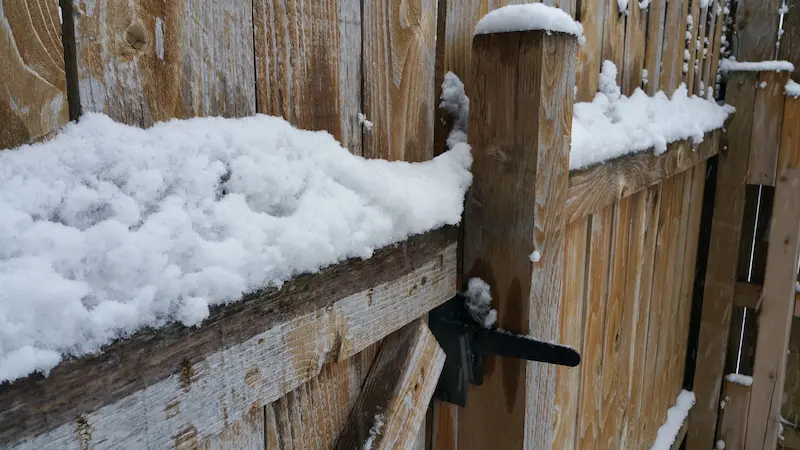
Winter in Dallas-Fort Worth may not look like a holiday postcard with piles of snow, but don’t let the mild weather fool you—our fences still take a beating. Between the freeze-thaw cycles, cold rain, surprise ice storms, and those lovely Texas wind gusts, your fence deserves a little TLC before winter rolls in.
Whether you’ve got wood, metal, or vinyl panels, winter prep is one of the easiest ways to avoid headaches (and expensive repairs) once spring shows up. And good news: it doesn’t have to be complicated. Let’s walk through how to winterize your fence, what to do during winter if something goes wrong, and how M&C Fence DFW can help if you’d rather not grab the toolbox yourself.
Give Your Fence a Quick Check-Up Before the Cold
Think of this as your fence’s annual physical. You don’t need special tools—just a few minutes and maybe a flashlight.
What to look for
Cracks or soft spots in wood:
Even little cracks matter. Once cold weather hits, moisture sneaks in, freezes, and expands, turning small issues into big problems.
Rust, dents, or loose panels on metal fences:
Cold temps make rust spread faster, and loose connections can get weaker in strong winds.
Brittle or cracked vinyl:
Vinyl can stiffen up in the cold. If you already see stress cracks now, they’ll only get worse.
Fence posts that wobble:
Give each post a little push. If it wiggles or leans, it might need to be reset before a winter storm puts too much stress on it.
If something feels off, don’t panic—most fixes are easy if caught early.
Clean It Up So It Can Breathe
A clean fence is a healthy fence. Even though it’s not glamorous, this step goes a long way in preventing winter damage.
For all fence types:
- Clear leaves, dirt, and grass clippings from the base
- Trim back bushes or plants touching the fence
- Make sure the ground slopes away from posts so water doesn’t pool
Moisture is the enemy here. Anything that traps water against your fence will try to rot it, rust it, or warp it. Keeping the area around the fence tidy helps it dry out faster after rain or frost.
Add or Refresh a Protective Coating
This is your fence’s winter jacket.
If you have a wooden fence:
- Apply a weatherproof sealant or stain every 2–3 years
- Darker stains can help protect against winter sun
- Make sure to coat rails, pickets, and especially the bottom edges
A fresh coat helps block moisture and keeps the wood from swelling, cracking, or fading.
If you have a metal fence:
- Take care of small rust spots before they spread
- Add a rust-inhibiting primer or protective spray
For vinyl fences:
- No sealant needed, just keep it clean
- A little mild soap, a soft brush, and a rinse with the hose does the trick
Don’t Forget the Hardware
Hinges, latches, locks, and any moving parts can stiffen up and rust in cold weather. A quick tune-up keeps your gates working smoothly all winter long.
- Use a silicone-based lubricant (it doesn’t thicken in the cold)
- Tighten loose screws or sagging gate hinges
- Make sure gates open and close without dragging
A misaligned gate might not seem urgent, but if a freeze hits and everything swells, it can quickly get worse.
Protect Your Fence From Winter Storm Surprises
Texas isn’t known for blizzards, but we are known for unpredictable weather, especially in areas like Arlington, Mansfield, and Waxahachi. A few small steps can save you from major repairs:
Trim overhanging branches
Ice weighs down branches fast. If one cracks and falls, it can take out a section of fence before you even know it happened.
Watch where you pile snow (if we get any)
Shoveling snow directly against your fence adds pressure that wood and vinyl aren’t built to handle.
Check drainage around your posts
Standing water is the silent fence killer. If you notice puddles forming, you may want to add gravel or adjust the soil grade.
What to Do If Winter Does Damage Your Fence
Even with the best preparation, Texas weather has a mind of its own. Here’s what to do if something goes wrong mid-winter:
1. A fence panel comes loose
Tighten what you can, but avoid over-tightening screws in freezing temps—they can strip the wood. If the rail is cracked or the post is leaning, you may need a repair to prevent further damage.
2. Warped or cracked wood
If a board bows or splits during a freeze, replacing it quickly keeps moisture from spreading to the boards around it.
3. Rust expanding on metal
Light rust can be sanded and treated, but widespread rust or panel separation needs professional attention.
4. Gate won’t latch
Cold weather can shift posts just enough to throw off alignment. Sometimes it’s an easy adjustment… sometimes the hinge needs reinforcement.
If you’re not sure how serious the damage is, M&C Fence DFW can take a look and tell you whether it’s a simple fix or something bigger.
How M&C Fence DFW Can Help When Winter Hits
If we’re being honest, some fencing issues are a little beyond a Saturday DIY project. That’s where M&C Fence DFW steps in to help. Local homeowners know us for dependable service, honest pricing, and repairs that actually last.
Emergency storm repairs
If a winter freeze or wind storm knocks something loose, we’ll get your fence back up quickly and safely.
Expert staining and sealing
We use high-quality products that actually stand up to Texas weather—not cheap stuff that fades in six months.
Full inspections & maintenance
We can catch problems early, point out hidden issues, and help you avoid larger costs down the road.
Repairs on wood, metal, vinyl, and custom fences
Our bread and butter is wood, but luckily for you, we also have the teams to handle any material; we know how to restore it properly.
When winter throws curveballs, you don’t have to stress. We’ve got you.
Year-Round Upkeep That Makes Winter Easier
You don’t have to spend your weekends babying your fence, but a little year-round attention during spring, summer, and fall keeps winter from becoming a mess.
Here’s what to do throughout the year:
Spring
- Replace cracked boards
- Re-secure screws or nails
- Check for shifting posts from winter freezes
Summer
- Pressure-wash to remove mildew
- Restain or seal wood if needed
- Trim vegetation to allow airflow
Fall
- Clear debris buildup
- Inspect hardware and gates
- Prep drainage before the rainy season
These small habits make a huge difference. By the time December hits, your fence will be strong, clean, and ready to take on whatever random weather Texas decides to throw our way.
Winter Doesn’t Have to Mess With Your Fence
A well-cared-for fence looks better, lasts longer, and protects your property year-round. Winterizing isn’t complicated—it’s just a few smart steps to help your fence stand strong when temperatures dip.
But if you notice issues, don’t want to deal with repairs, or just prefer having a fence pro on your side, M&C Fence DFW is here to help. From quick fixes to full-scale restorations, we make sure your fence is ready for winter and looking its best for years to come, and we do it with a free quote to top it off.
Want us to take a look or get your fence winter-ready?
Just reach out—we’re only a call or message away.